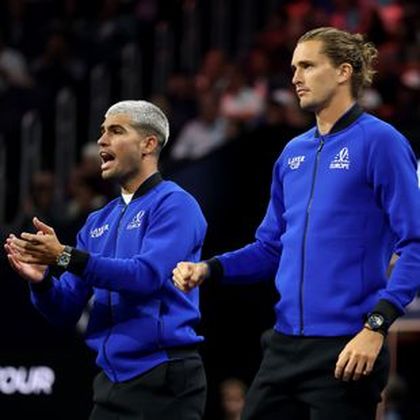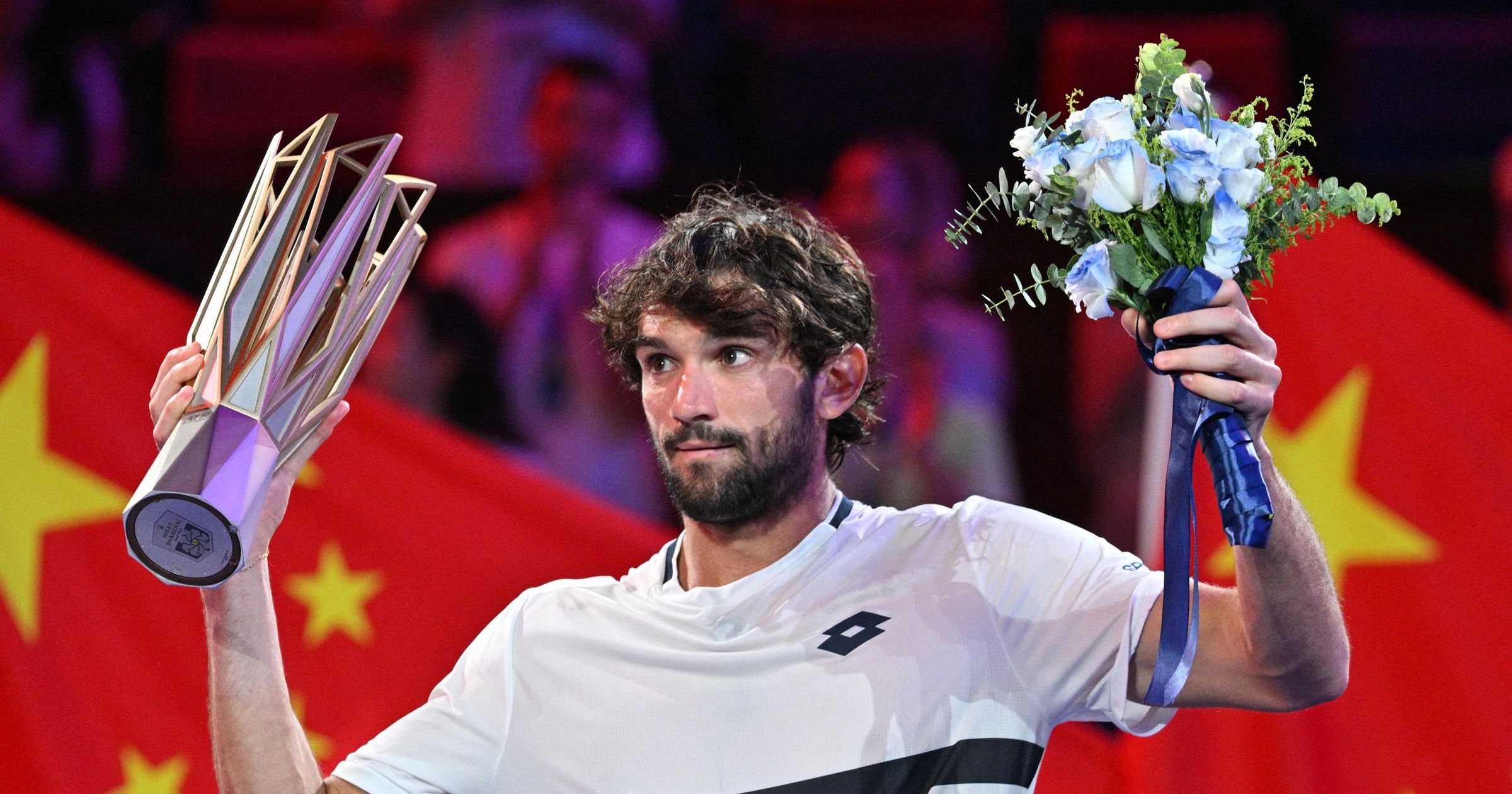
SME News UK. tournament directors are deliberately slowing down court surfaces in a move that plays into the hands of Carlos Alcaraz and Jannik Sinner, the two players who have dominated men’s tennis in 2025.Alcaraz and Sinner, currently ranked No.1 and No.2 in the world, have contested the last three Grand Slam finals – at Roland-Garros, Wimbledon and the US Open – producing thrilling encounters that have captivated the sport. But Federer believes their supremacy has been aided by organisers adjusting conditions to encourage long rallies and more predictable outcomes.Speaking on Andy Roddick’s podcast Served during the Laver Cup, Federer explained:> “I understand the safety net that the tournament directors see in making the surface slower. It’s for the weaker player – he has to hit extra amazing shots to beat Sinner. Whereas if it’s quick, he might just blast a few and sneak past. So they’re thinking: I like Sinner-Alcaraz in the finals. It works for the game.”The 20-time Grand Slam champion went further, admitting he feels partly responsible for similar decisions in the past.> “I fault myself for the Laver Cup court speed,” Federer said. “I was part of the decision-making. But it can’t be that Reilly Opelka is kick-serving indoors against Casper Ruud and Ruud can still step back and hit a cross-court winner on break point. That should be harder. We, the tournament directors, need to fix it.”Federer argued that modern tennis has lost some of its variety because organisers have standardised conditions across events.> “What we’d like to see is Alcaraz and Sinner figure it out on lightning-fast courts, then again on super slow courts, and see how that matches up,” he said. “Back in the day, only 12 tournaments counted for rankings. Players would focus on their best surfaces, and when styles clashed – the attacker versus the retriever – those were the best matches. Now, because of the uniform ball and court speeds, everyone plays the same style.”The comments highlight an ongoing debate within tennis about whether the homogenisation of court speeds has stifled stylistic diversity, and whether the sport should encourage a broader range of playing conditions to test champions in different ways.
Roger Federer accuses tournament organisers of favouring Alcaraz and Sinner with slower courts